The Devil Wears Prada, 20 Years Later: How Power Dressing Became Premium Streetwear

The Devil Wears Prada, 20 Years Later: How Power Dressing Became Premium Streetwear

By SYXED Editorial | Fashion Analysis | June 2026

Twenty years after The Devil Wears Prada first hit cinemas, people still talk about the same things.

The Chanel boots. The Hermès Birkins abandoned on Andy's desk like they were grocery bags. The transformation montage. The way Miranda Priestly entered a room and the air pressure seemed to change.

But in 2026, with the sequel finally here — and the fashion world watching every frame like it's a runway show — something interesting is happening. The movie feels more relevant than ever, but for a completely different reason than it did in 2006.

Because here's the truth that took twenty years to fully surface:

The Devil Wears Prada was never really about fashion:

It was about communication. About the silent, immediate language that people use before a single word is spoken. About how clothing creates perception, shapes authority, and signals identity in ways that most of us never consciously process — but everyone instinctively understands.

At SYXED, we often describe clothing the same way: as a visual language. Long before someone notices a logo, asks what brand you're wearing, or hears your opinion, they are already reading your silhouette, proportions, and overall presence. That's why the conversation around modern fashion has become less about trends and more about intentionality.

And in 2026, that language looks radically different than it did when Miranda Priestly first dissected a cerulean sweater.

The power suit has evolved into structured outerwear. Luxury logos have given way to premium fabrication. Corporate authority has been replaced by personal presence. The rules changed entirely.

The principle never did.

The Most Important Scene in Fashion Film History

The Cerulean Sweater: One of the Most Iconic Devil Wears Prada Outfits

If you've seen the original film, you know the scene. If you haven't, here it is:

Andy Sachs — Miranda's newly hired assistant, art degree, journalism dreams, zero interest in fashion — stifles a laugh at a meeting while two near-identical blue belts are being debated for a photo shoot. Miranda catches it. And then, in sixty-four seconds of screen time that became one of the most quoted fashion monologues ever put to film, she dismantles Andy's entire self-concept.

She explains, with barely controlled contempt, that the specific shade of cerulean Andy is wearing in her "lumpy blue sweater" was actually selected by Oscar de la Renta for his Fall 2002 collection. That Yves Saint Laurent followed. That it filtered through eight different luxury retailers, then mid-market brands, then the discount bin where Andy eventually found it. That Andy believes she's made a choice independent of the fashion industry — when in reality, she's wearing the industry's decisions from two seasons ago.

Most film analysis frames this scene as a lesson in trend forecasting, or as Miranda being cruel, or as a comment on fashion's trickle-down economics.

It's actually about something much deeper.

The scene is about the unavoidability of visual communication

Miranda's point isn't really about cerulean. It's this: you are already communicating through your clothing, whether you've decided to or not. There is no neutral option. There is no opting out. The person who declares they "don't care about fashion" is communicating just as loudly as the person in head-to-toe Prada. They've simply decided to let that communication happen without intention.

That's the lesson. And it has only become more true in the twenty years since.

Why the Scene Hits Different in 2026

When The Devil Wears Prada 2 arrived, costume designer Molly Rogers confirmed that finding the original cerulean sweater was her first call once she landed the job. The sweater returns in the sequel — and in a quietly perfect narrative move, it reappears on Andy's terms, transformed. The sleeves are gone. It's been cut into a vest. The same fabric, worn with completely different intent.

That detail is not accidental.

It's the visual argument the entire sequel is making: twenty years later, the same tools exist, but who controls the narrative has changed.

Source: https://www.instagram.com/p/DX9Mrakn1Pp

The sweater went from a symbol of Andy's outsider status to a deliberate, confident choice. From something that happened to her, to something she chose. From unconscious communication to intentional statement.

That arc — from passive to intentional — is exactly where fashion culture has moved over the past two decades.

Miranda Priestly and the Architecture of Authority

What Miranda Priestly's Devil Wears Prada Outfits Were Actually Communicating

Here's what the film gets absolutely right about power dressing, and what most analysis still misses.

Miranda's wardrobe was never about luxury for luxury's sake.

It was constructed as an instrument.

Study Miranda's looks across both films and four consistent principles emerge — principles that, frankly, have nothing to do with which designer she's wearing and everything to do with how the clothes function.

  • Precision. Nothing in Miranda's wardrobe looks like it just happened. Every piece reads as a deliberate decision. There is no "I grabbed this on my way out." Everything is chosen.
  • Structure. Strong shoulders. Clean lines. Controlled proportions. Miranda's silhouette creates visual authority before she's said anything. She occupies space differently than everyone else in the room. That isn't an accident — it's architecture.
  • Restraint. This one is the most underestimated. Miranda rarely wears anything that competes with her presence. The clothes amplify her, they don't replace her. Nothing shouts. Everything communicates.
  • Consistency. Miranda has a recognizable visual identity. She doesn't chase trends. She doesn't reinvent herself for every season. Her aesthetic is so established that deviation would be headline news — which is itself a form of power.

These four principles create authority. Not the price tags. Not the labels.

When Molly Rogers dressed Meryl Streep for the sequel — in a Sa Su Phi tailored blazer and skirt described by Who What Wear as "a masterclass in power dressing, classic in silhouette but cut in a way that still feels incredibly modern" — those same four principles were present. Different era, same architecture.

Source: https://fashionmagazine.com/style/the-devil-wears-prada-2-filming/

The Distinction Between Luxury and Authority

Here's a distinction that gets lost constantly in fashion coverage:

  • Luxury is a price point. Authority is a perception

They often correlate, but they are not the same thing. And in 2026, the gap between them has widened considerably.

In 2006, the two were tightly linked. Designer logos served as proxies for status. If you wore Prada, people read that as authority because luxury was a relatively closed system — the symbols were controlled and their meaning was legible.

Today, that system is significantly more complex. Luxury logos have been democratized through resale, dupes, and mass market accessibility. The Devil Wears Prada 2 even nods to this directly — Miranda's first assistant is seen wearing a thrifted Margiela look, and it's not played as tragic. It's played as sharp.

When the symbols are available to everyone, the symbols stop being the signal.

What fills that gap? Exactly what Miranda understood all along: silhouette, proportion, fit, and intention.

How Devil Wears Prada Fashion Evolved Over Twenty Years

2006: The Era of Iconic Devil Wears Prada Outfits

When the original film released, power dressing had a clear visual language.

Luxury tailoring. Sharp blazers with structured shoulders. Executive dresses. Formal silhouettes. Corporate polish. Specific designer names functioning as legible status codes.

This was the fashion landscape that had built itself through the 1980s power-dressing movement — the era when women were entering boardrooms in numbers and the uniform was deliberately architectural, deliberately serious, deliberately borrowed from menswear's visual vocabulary of authority.

It worked because it was legible. You could walk into a room and within seconds decode who held power based on their clothing. The language was shared and understood.

2016: The Logo Era Peaked — and Started Cracking

Ten years later, something had shifted.

The rise of streetwear culture began pulling luxury in new directions. Supreme x Louis Vuitton. Off-White's industrial zip ties. Virgil Abloh deconstructing the visual language of luxury from the inside. The luxury logo became not just a status symbol but a cultural signifier — something worn not just to signal wealth but to signal taste, cultural awareness, and tribal membership.

For a few years, logos were everything. Bigger, louder, more present. The more visible the brand, the more powerful the message.

But something interesting happened as logos became more accessible and more ubiquitous: they started losing signal power. When everyone has a logo hoodie, the logo stops meaning what it used to.

2026: Power Is Presence

Today's most influential people in fashion, technology, culture, and business often dress in ways that would have read as understated to 2006 eyes.

The founder in a perfectly weighted black crewneck. The creative director in structured outerwear with zero visible branding. The designer in elevated basics with exceptional fit. The tastemaker in premium materials that communicate quality through texture rather than labeling.

These wardrobes are doing exactly what Miranda's did. They're creating authority through silhouette. Through precision. Through restraint.

The vocabulary changed. The grammar stayed the same.

And the numbers are starting to reflect this cultural shift. According to market research, the U.S. market is seeing a surge in quiet streetwear, a trend moving away from loud logos toward premium fabrics and minimalist designs. Meanwhile, the global luxury streetwear market reached $18.7 billion in 2024 and is projected to expand at a CAGR of 7.9% through 2033, driven by evolving consumer preferences that blend exclusivity with comfort.

Fashion psychology analysts noted in late 2024 that 2025 marked an official break from COVID's casualization era, with the return of intentional power dressing — this time not necessarily in suits, but in deliberate silhouettes that communicate authority differently than they did in previous decades.

The shift is real. The market is moving. The question is: moving toward what, exactly?

The Rise of Premium Streetwear as the New Power Uniform

Understanding What "Premium Streetwear" Actually Means

Before going further, let's define the term properly, because it gets misused constantly.

Premium streetwear is not expensive casualwear. It's not a hoodie with a logo that costs four hundred dollars. It's not luxury branding applied to street silhouettes.

Premium streetwear is the convergence of luxury construction principles with contemporary proportions and relaxed cultural codes. 

It prioritizes:

  • Fabrication over branding — heavyweight, quality materials that communicate value through touch and drape, not labels
  • Silhouette over formality — architectural shapes that create visual presence without requiring a suit
  • Intentional proportion — controlled volume, balanced structure, deliberate relationship between the garment and the body
  • Quiet authority — the kind of visual weight that comes from genuinely well-made clothes, not from logos

This is where the cultural evolution of power dressing has landed.

As of 2024, over 60% of millennials and Gen Z consumers report owning at least one streetwear item — and nearly 70% of consumer decisions in this space are influenced by social media, with around 40% of the market driven by collaborations between high-fashion brands and streetwear labels. But the most significant shift is qualitative, not quantitative: the why behind the purchase has changed fundamentally.

People aren't buying premium streetwear to display status. They're buying it to express identity.

That's a profound cultural shift. And it maps almost perfectly onto the evolution from Andy Sachs in 2006 (dressing to fit in) to Andy Sachs in 2026 (dressing entirely on her own terms).

The Silhouette Became the New Logo

Here's the mechanics of how this happened.

In an era of ubiquitous logos, the signal-to-noise ratio collapsed. Too many people wearing too many logos made logos a weak signal. So what filled the void?

Silhouette.

Your silhouette is visible before anything else. Before a brand name registers. Before a price tag is assessed. Before a conversation begins. The shape you create — the proportions, the volume, the structure — communicates instantly and viscerally.

A clean, strong silhouette reads as intentional. Intentional reads as confident. Confident reads as authoritative.

This is why contemporary premium streetwear brands — and the people who wear them best — focus so obsessively on proportion. The relationship between oversized structure and the body underneath. The way a jacket shoulder sits. The exact break of a trouser. The weight and fall of a fabric.

These aren't decorative concerns. They're communication concerns.

Psychology research consistently shows that professional attire creates a first impression that extends to perceptions of competence and leadership ability — and that well-fitted, purposeful clothing enhances body language and encourages confident behavior from both the wearer and the observer.

The medium changed. The mechanism is identical to what Miranda understood.

The Best Devil Wears Prada 2 Outfits and Fashion Evolution

Miranda Priestly in 2026: Evolution, Not Revolution

The sequel makes an interesting choice with Miranda's wardrobe.

She hasn't abandoned structure. She hasn't gone casual. She hasn't tried to adapt to trends she finds beneath her. But the vocabulary has evolved — and the evolution is telling.

In the sequel, Miranda wears scene-stealing pieces including a tasseled Dries Van Noten jacket, a red Balenciaga ball gown, and an Armani Privé crystal-studded coat from Giorgio Armani's final collection. These are still luxury items. But notice what's different about each: they lead with silhouette and surface rather than branding. The Dries Van Noten jacket is all about texture and movement. The Balenciaga gown is about volume and color. The Armani Privé coat is about architectural structure.

The labels are there. But the labels are no longer doing the primary work.

The silhouette is.

Costume designer Molly Rogers worked closely with Streep, Blunt, and Hathaway to explore where their characters would be in 2026 and what their clothes needed to say and express in the world of Runway Magazine — with Miranda still at the top, her power intact, her global reach grown.

That phrase — "what their clothes needed to say" — is the key. Rogers approached the wardrobe as communication design, not costume design. The clothes aren't decorating the characters. They're speaking for them.

Andy Sachs in 2026: The Evolution of Andy Devil Wears Prada Outfits

Andy's arc in the sequel is arguably the more interesting fashion story.

Andy arrives with a relaxed, slightly undone edge intact — easy barrel-leg jeans, an oversized Coach messenger bag — showing that her transformation is complete but her identity is intact. She's a far cry from the girl in the cerulean sweater, but there's still a trace of that same undone charm.

Twenty years on, Andy doesn't experiment with fashion anymore. She edits. She knows exactly who she is. Her wardrobe reflects that clarity — and that clarity is itself a form of power.

Her wardrobe arc in the sequel shows an Andy who no longer experiments but edits — arriving at exactly what she needs, culminating in the cerulean sweater making its final appearance: sleeves removed, reshaped into a vest. The full circle, worn entirely on her own terms.

That transformation — from unconscious wearer to intentional editor — is the fashion journey of the past twenty years in miniature.
What Modern Power Dressing Actually Requires

The New Principles

If Miranda's original principles were precision, structure, restraint, and consistency, what does modern power dressing add to that framework?

Based on where fashion has actually moved — and what the most authoritative dressers in contemporary culture actually share — here's the updated set:

  • Intentional silhouette: Not just wearing clothes, but choosing proportions deliberately. Understanding what shape you want to create and selecting pieces that create it. Volume can be powerful. Structure can be powerful. The key is that the silhouette is chosen, not defaulted to.
  • Premium fabrication: This is where modern power dressing diverges most sharply from logo culture. The signal is in the material — weight, drape, texture, hand feel. Quality fabric communicates before anything else. It reads differently at a distance. It moves differently. It ages differently. People notice, even when they can't articulate why.
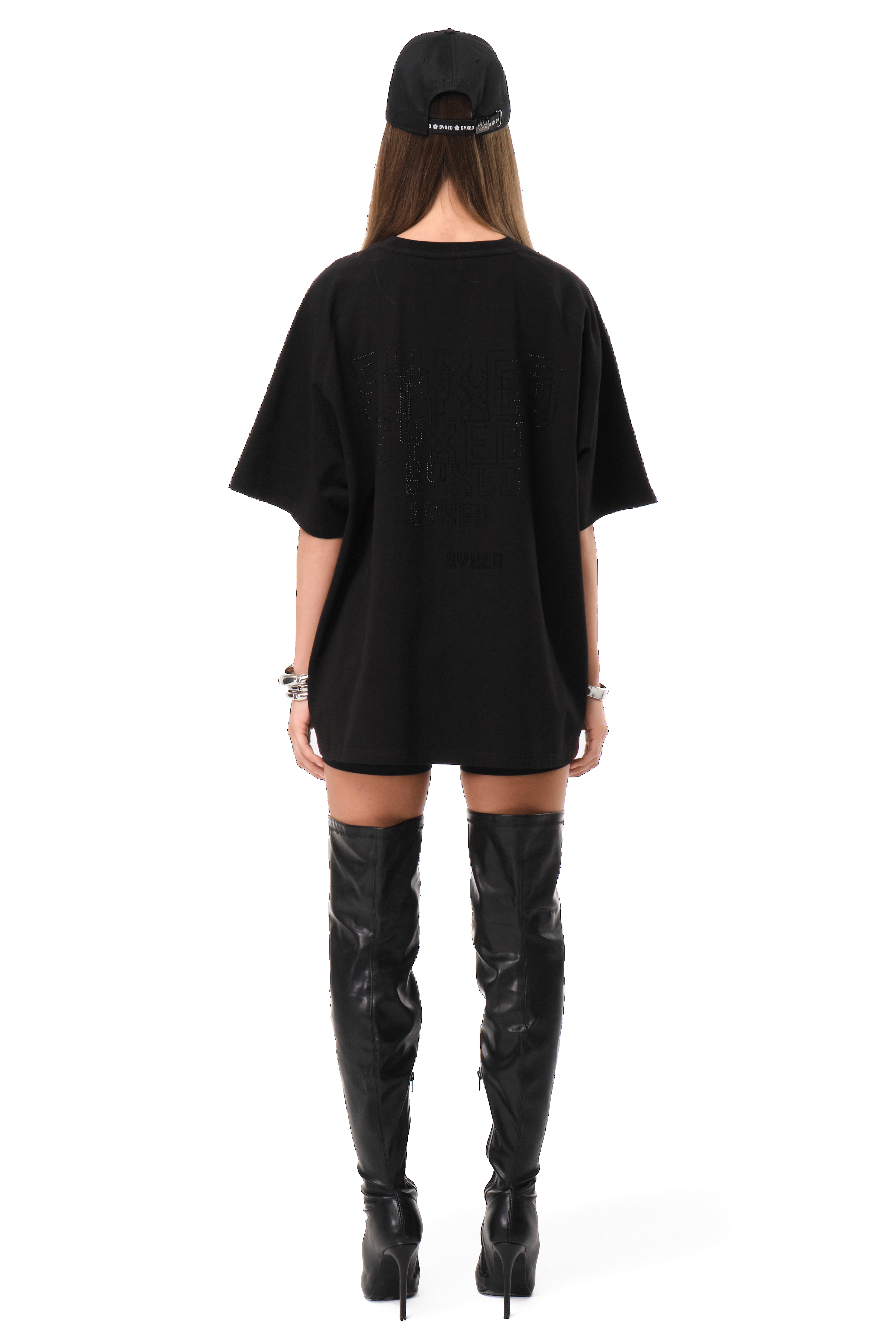
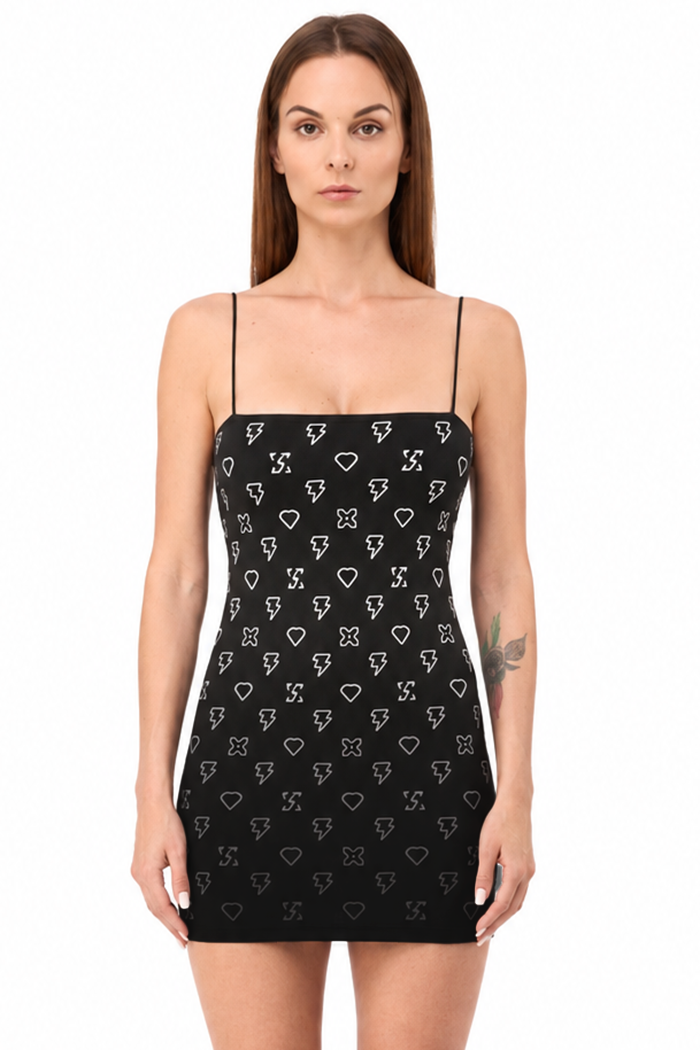
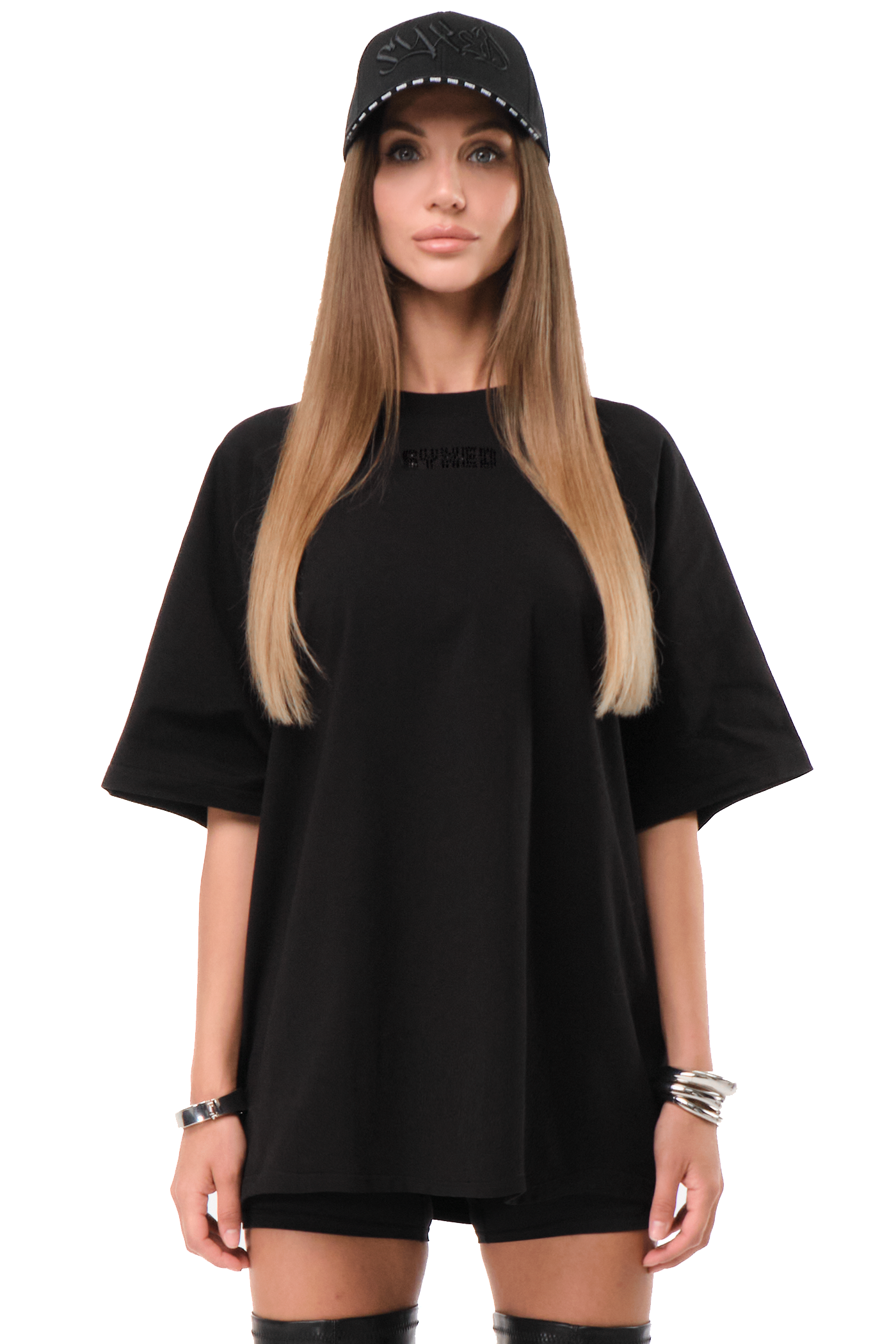
  • Fit over formality: A perfectly fitted piece in any category outperforms a technically formal piece that doesn't fit. This is one of the most important shifts of the past decade. The suit is not inherently powerful. The perfectly fitting, intentionally chosen garment is powerful — whether that's a suit, a structured tee, or a heavyweight overshirt.
  • Edited identity: The most powerful contemporary wardrobes have a point of view. You understand what they represent. They're not trend-chasing collections of individual pieces — they're a coherent visual language. Like Miranda's. Like Andy's, eventually.
  • Quiet authority: The departure from loudness. The understanding that the strongest visual presence rarely announces itself. That people notice exceptional quality, precise proportion, and intentional construction without necessarily being able to say what they're noticing. They just feel it.

The Psychology Behind It

Studies have shown that power dressing — wearing clothing that communicates authority and success — can impact how others treat you. People are more likely to trust and respect those who dress well, and they tend to attribute higher social status to individuals who are well-groomed and dressed in a polished manner.

But the evolution is in what "polished" means in 2026.

Polished no longer means formal. It means intentional. Considered. Constructed with purpose. The person in the perfectly proportioned premium streetwear look can be just as "polished" — in the perceptual sense — as the person in bespoke tailoring. What both communicate is that they've thought about this. That they understand visual communication. That they're not leaving their presence to chance.

According to research published in 2023 on person perception, perceivers rely on target dress to infer four types of information: social categories, cognitive states, status, and aesthetic tastes — all of which form before any verbal exchange. Your clothes are already in the conversation before you speak.

The most effective contemporary dressers know this. They dress accordingly.

The SYXED Perspective — Where Philosophy Meets Practice

What We Build Toward at SYXED

At SYXED, the philosophy has always been rooted in a single observation:

People read your energy and presence before you've said anything.

That's not a fashion statement. That's psychology. It's perception science. It's twenty years of cultural evolution confirmed by the return of The Devil Wears Prada to cultural conversation.

The reason we work with strong silhouettes, premium fabrication, and controlled proportion isn't aesthetics for aesthetics' sake. It's because silhouette is the first thing that registers. Because premium materials communicate quality through texture before a label is checked. Because controlled proportion creates the kind of visual authority that doesn't need to announce itself.

We believe the strongest outfits are rarely the loudest. They don't chase trend cycles. They don't rely on branding to do the communicative work. They're built on the same principles that made Miranda Priestly's wardrobe iconic — precision, structure, restraint, consistency — translated into a contemporary visual language.

Premium streetwear, done right, is power dressing for an era that understands presence differently.

The Intersection of Luxury and Intention

There's a reason the luxury streetwear market is growing at nearly 8% annually while traditional luxury fashion's growth rate has slowed to under 3%. Consumers are becoming more discerning, opting for timeless investments rather than seasonal trends, and the luxury resale market is forcing brands to rethink the relationship between quality, price, and perceived value.

People are making more considered purchases. They're investing in fewer, better pieces. They're building wardrobes around a point of view rather than around trend reports.

That's the exact shift from unconscious consumption to intentional curation that Andy Sachs's arc embodies. That's the shift from "I grabbed this sweater" to "I chose this sweater, cut the sleeves off, and made it a vest."

The philosophy of premium streetwear — when it's executed well — is the philosophy of intentional presence. You're not filling space. You're choosing how you occupy it.

Conclusion: The Lesson That Never Changed

Twenty years later, Miranda Priestly is still right.

The brands changed. The silhouettes evolved. The dress codes relaxed and transformed. The industry that was once about visible luxury markers is now increasingly about invisible quality signals. The movie that was "about fashion" turns out to have been about something far more permanent: the psychology of visual communication.

The sequel confirms it. Costume designer Molly Rogers, when dressing characters for 2026, asked one central question: what does this outfit need to say? Not what brand should it represent. Not what trend does it reflect. What does it communicate?

That's always been the right question.

In 2006, power dressing answered it with sharp tailoring and designer labels.

In 2016, it answered it with logos and cultural signaling.

In 2026, the most considered answer involves silhouette, premium construction, and the kind of quiet authority that comes from clothes that are clearly, precisely, intentionally chosen.

The language evolved. The principle is identical.

People read your clothes before they hear your words.

The question — today, twenty years ago, and twenty years from now — is the same one Miranda asked Andy in that conference room:

What is your outfit actually saying?

______________________________________

At SYXED, we design contemporary fashion built around presence, silhouette, and the kind of premium construction that communicates before introductions are made. Because in a world where first impressions form in seconds, your wardrobe is already in the room ahead of you.

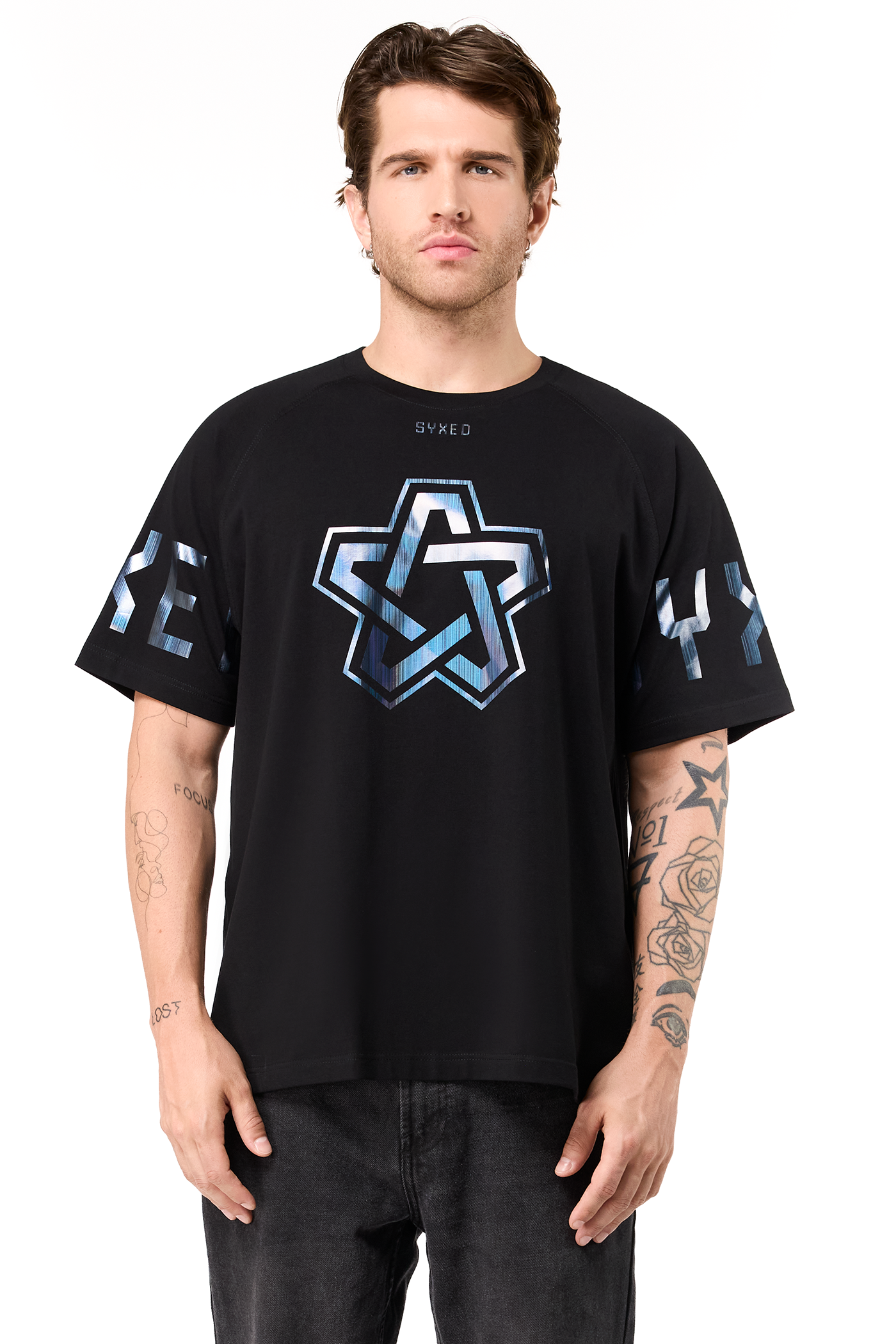
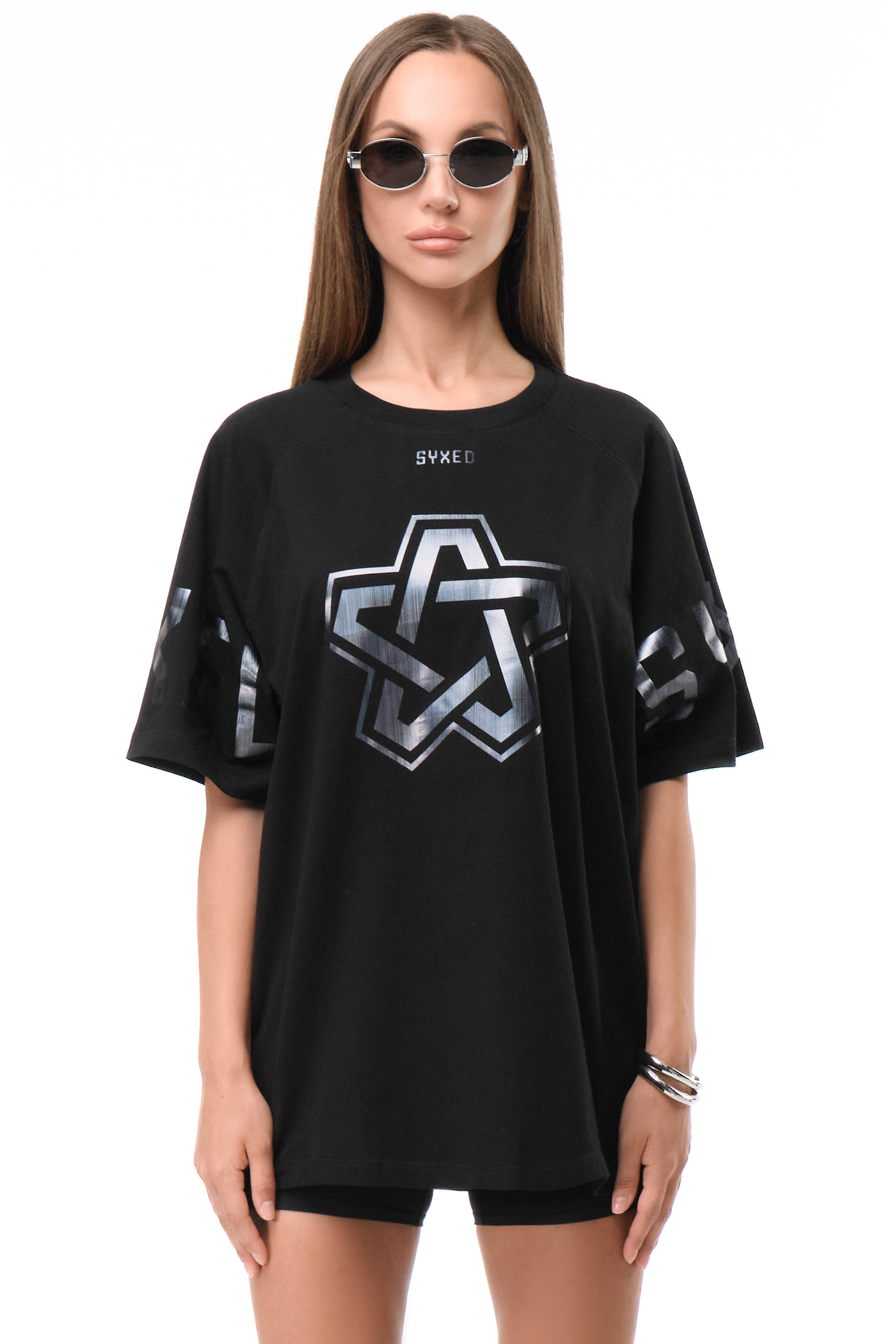
Holo Foil Black&Black T-Shirtmen-2
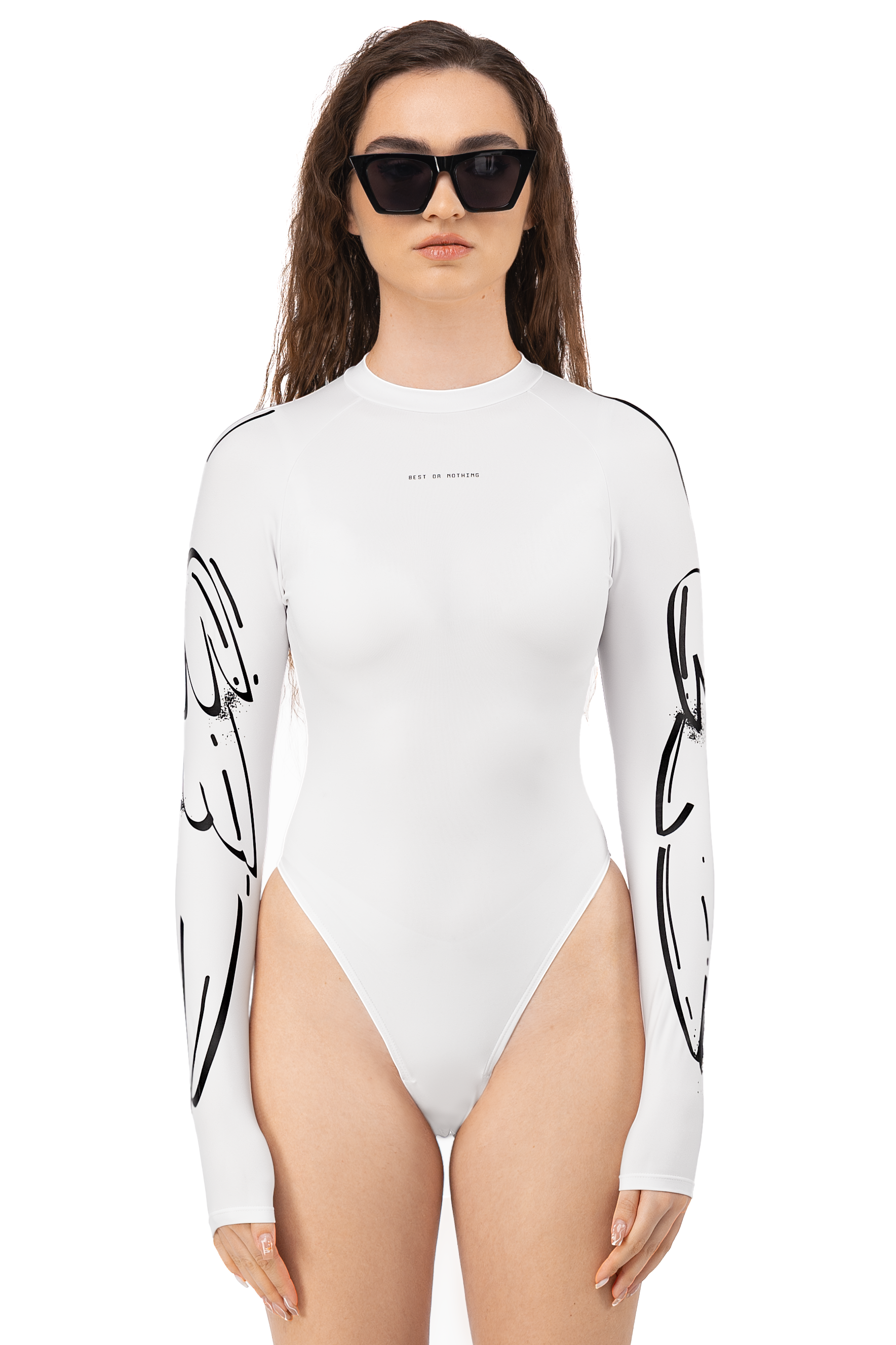
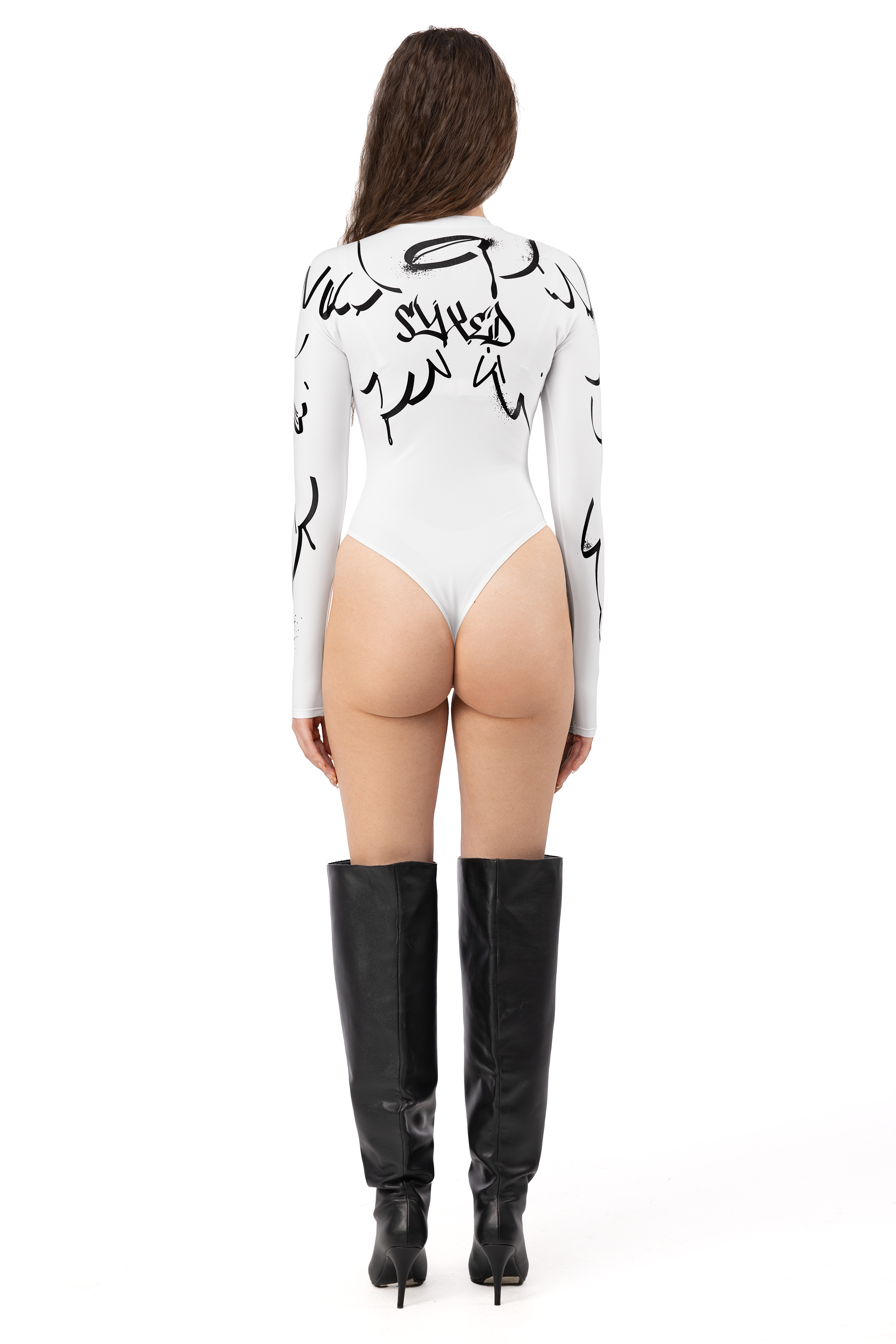
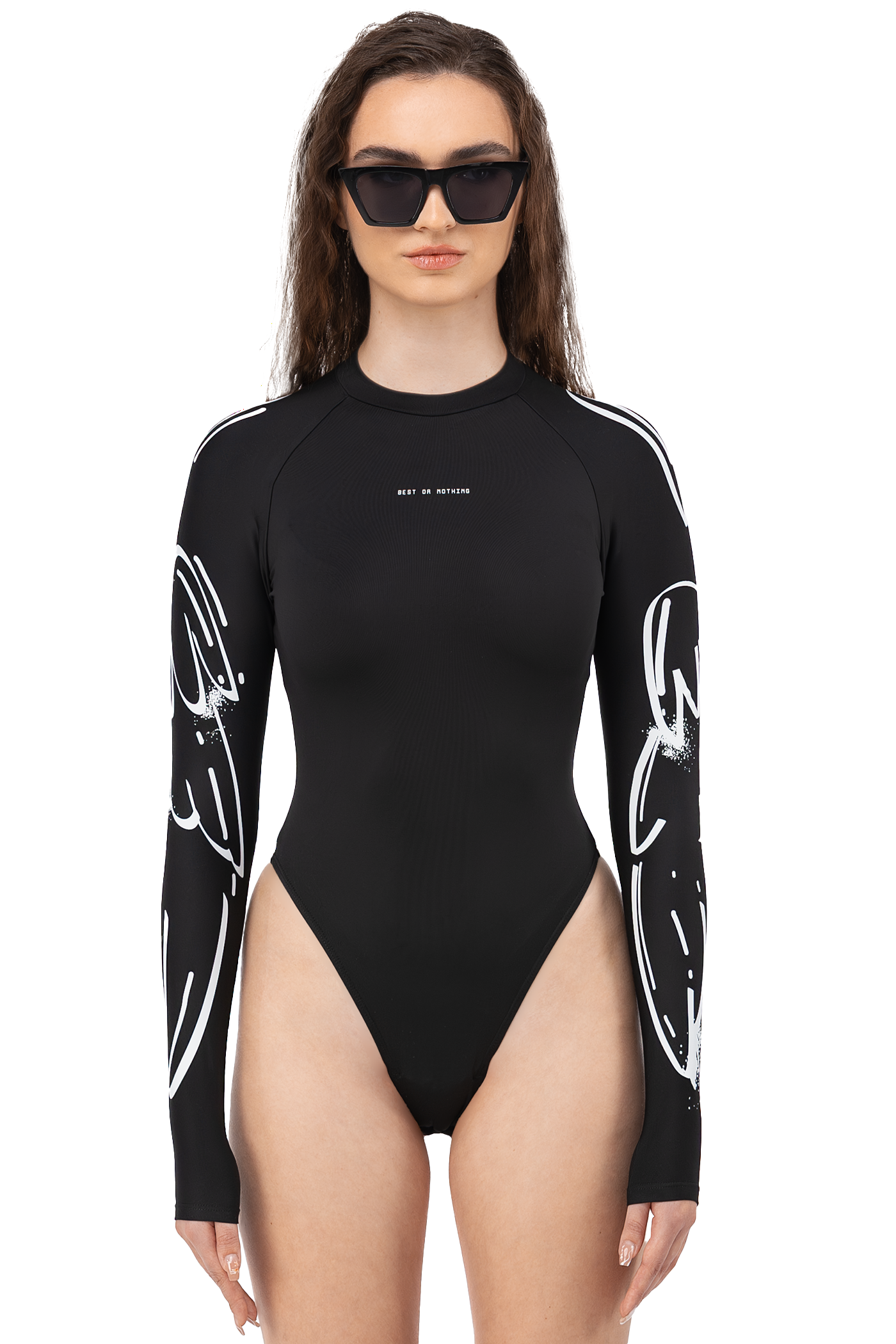
Bodysuit Angels WhiteBodysuit Angels White
Sale price968,00 zł
T-Shirt Holo Foil Black&Blackwomen-2
Sale price434,00 zł
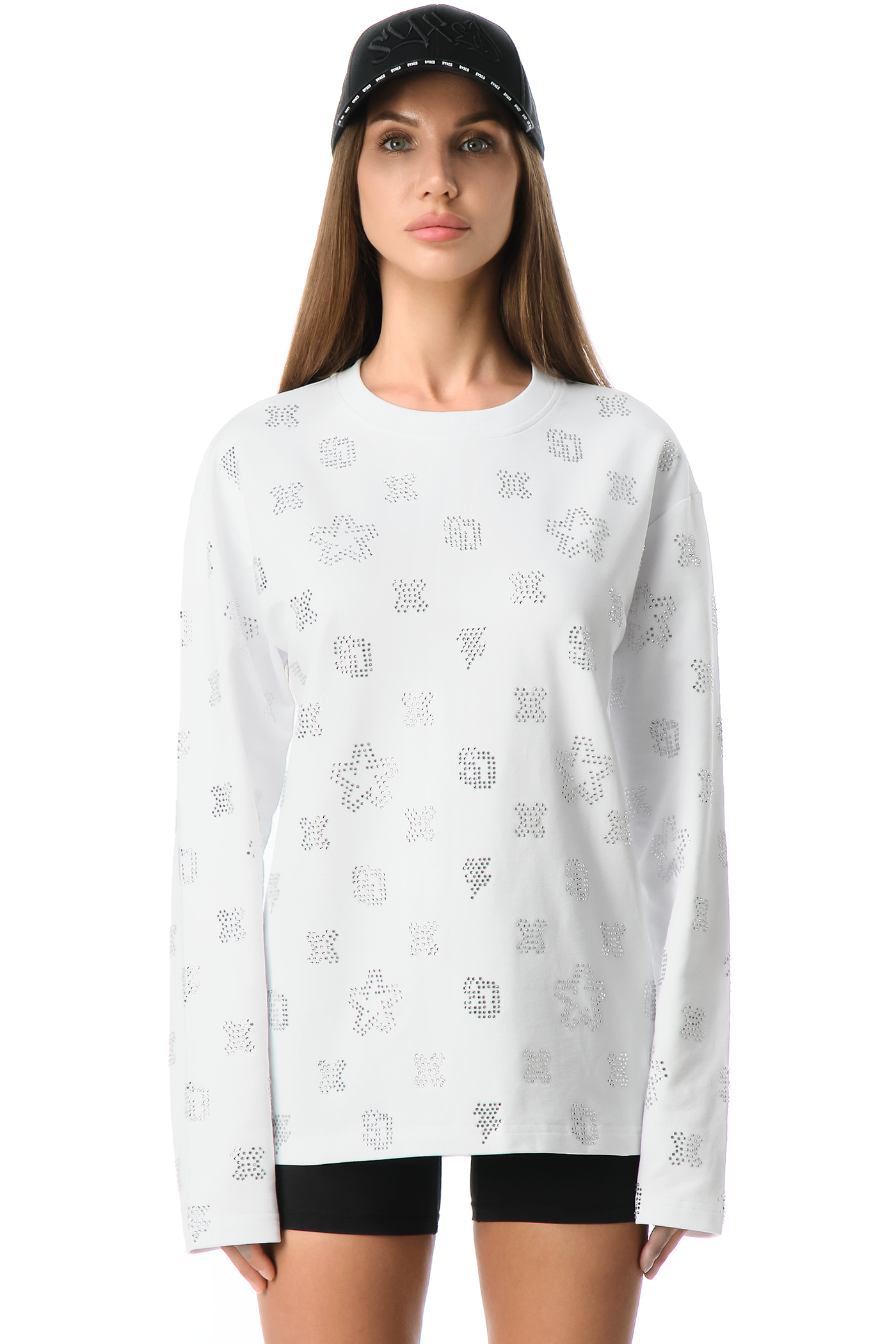
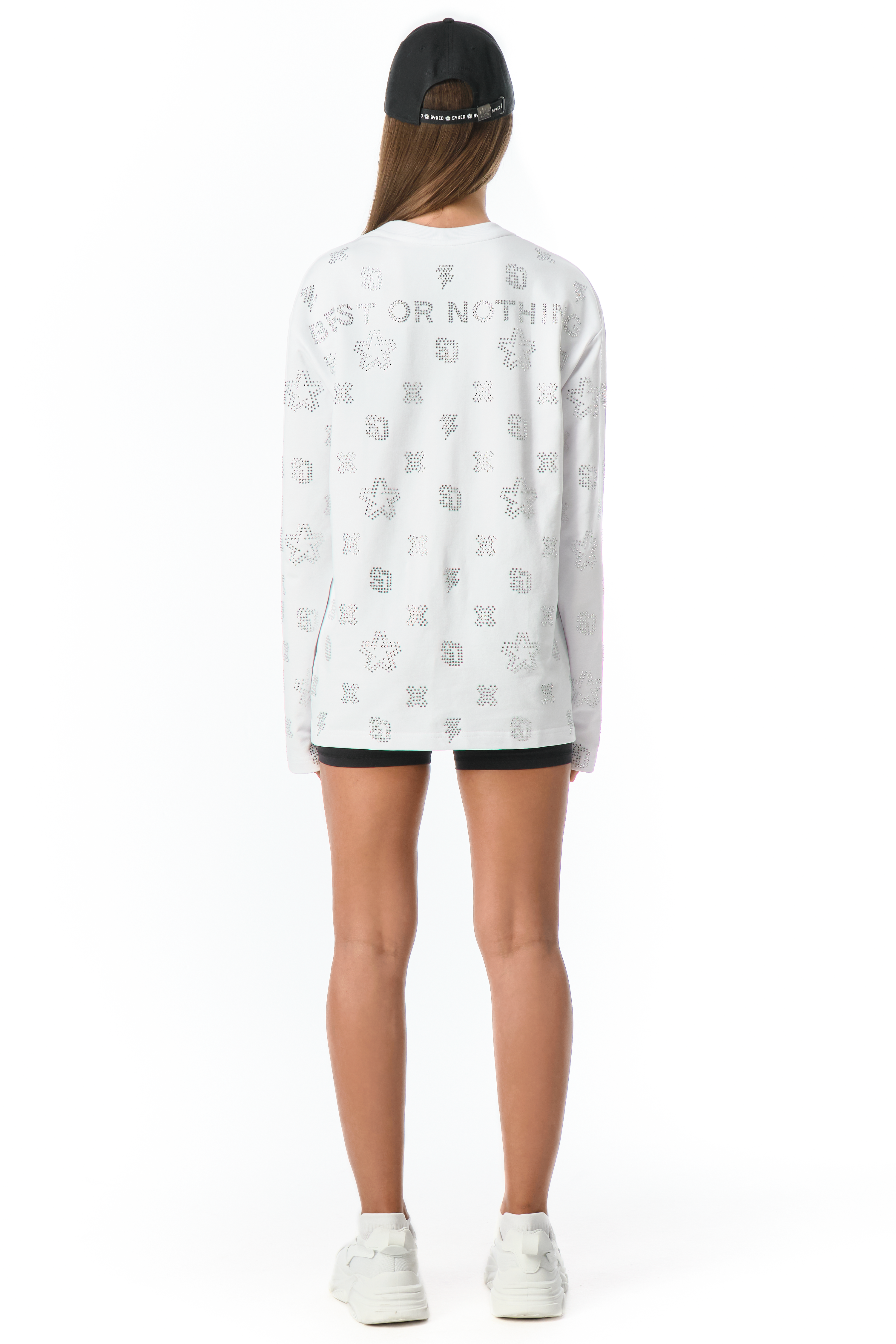
Longsleeve Cashier White with White gemswomen-2
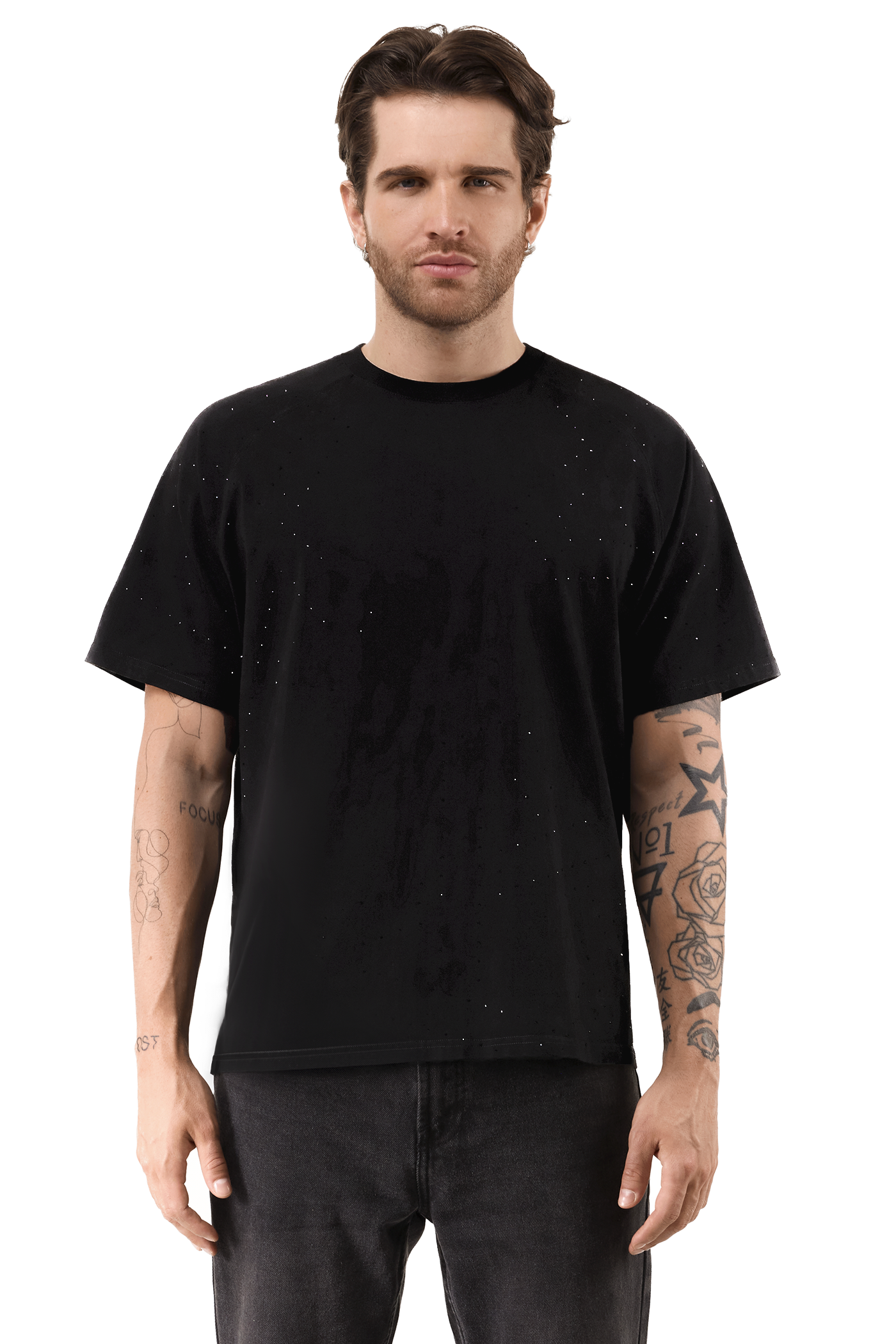
Galaxia T-Shirt Black with Black gemsmen-2
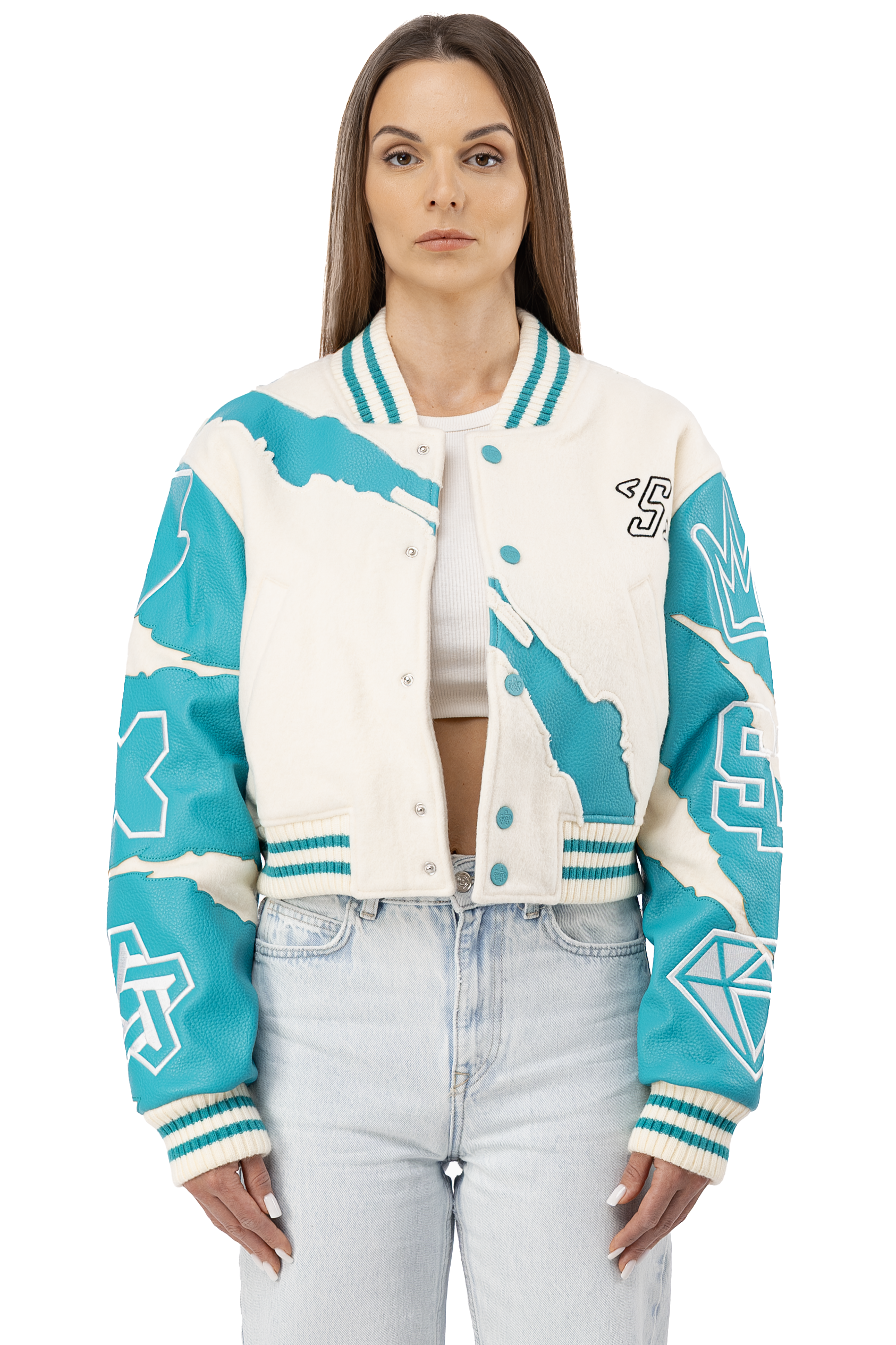
Animal Crop VarsityAnimal Crop Varsity
Sale price1.367,00 zł
Hoodie Lightning White Gemswomen-2
Sale price1.085,00 zł
Dazzle T-Shirt White with Black gemsmen-2
T-Shirt Astra Black with Black gemswomen-2
Bodysuit Angels BlackBodysuit Angels Black
Sale price968,00 zł
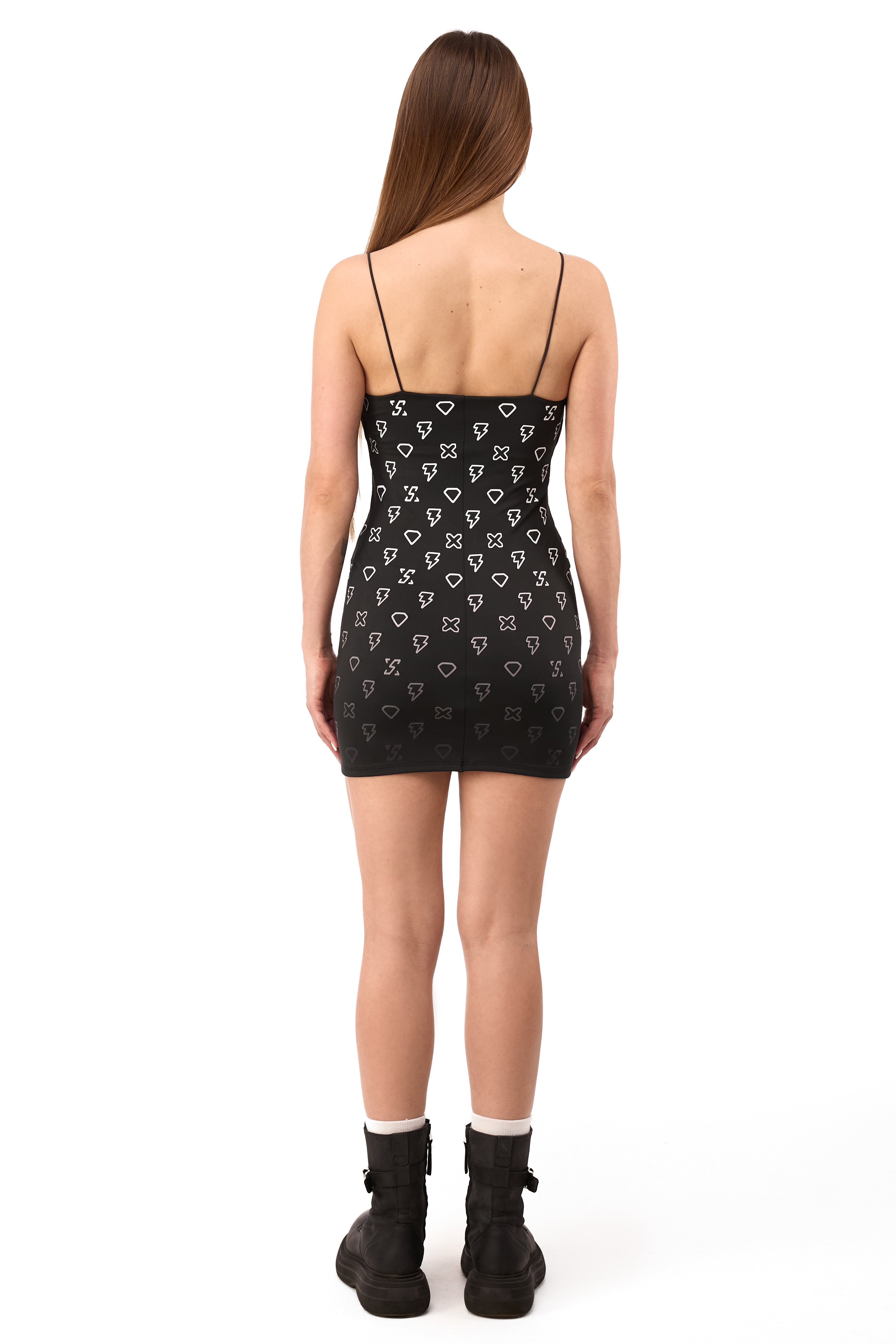
Dress Gamewomen-2
Sale price1.111,00 zł

Leave a comment

This site is protected by hCaptcha and the hCaptcha Privacy Policy and Terms of Service apply.